Historic Roswell vs Newer Communities for Roswell Buyers
June 25, 2026
June 25, 2026
Trying to choose between Historic Roswell and a newer Roswell community? You are not alone. Many buyers love Roswell’s charm, but they also want a home that fits how they live day to day. This guide will help you compare character, walkability, upkeep, and lifestyle so you can make a confident decision. Let’s dive in.
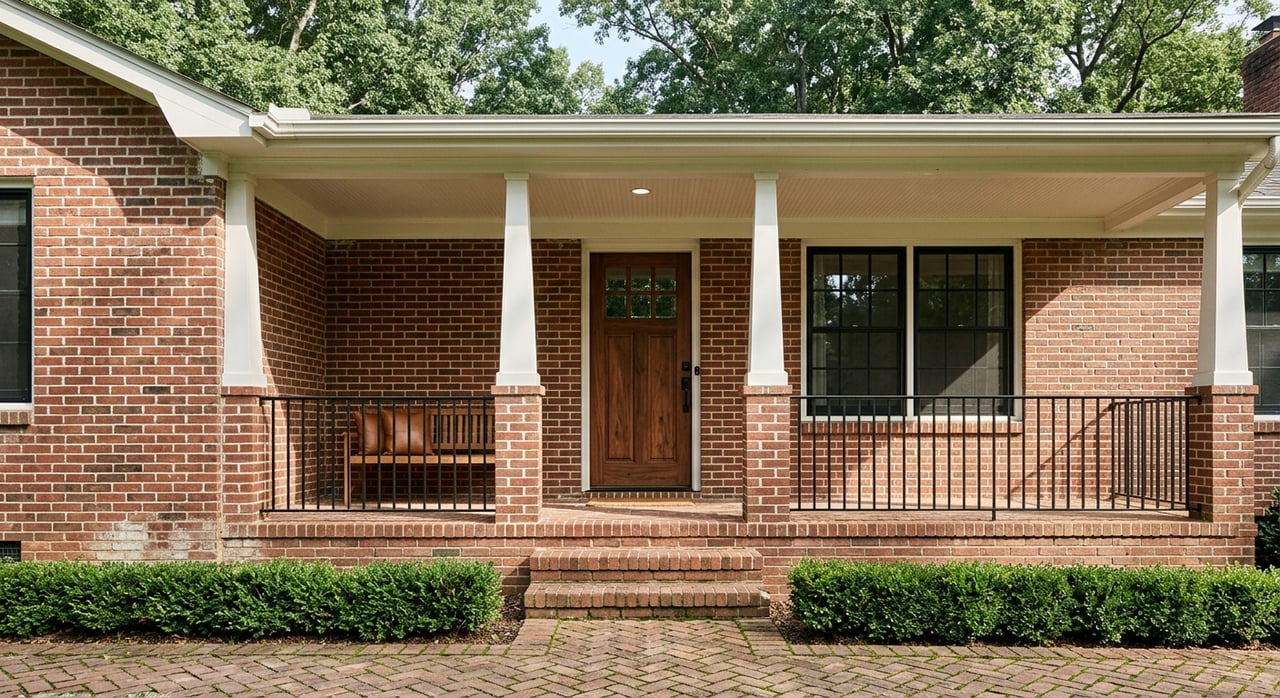
Historic Roswell offers a very specific kind of ownership experience. The district received National Register designation in 1974, and it covers about 640 acres. It is also overseen by the Historic Preservation Commission, which helps protect the area’s historic character.
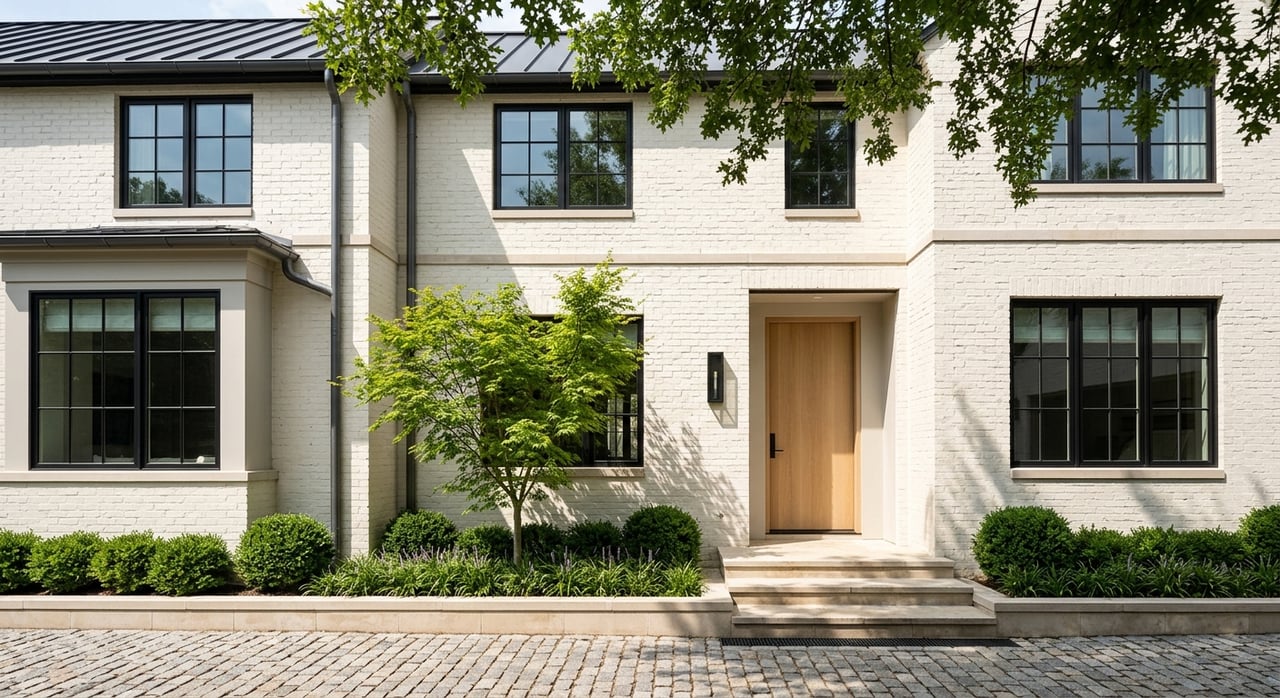
If you are drawn to older homes with architectural personality, this part of Roswell may feel especially appealing. The city highlights local examples like Bulloch Hall, Barrington Hall, Smith Plantation, and Mimosa Hall, which reflect styles ranging from Greek Revival to vernacular architecture. That variety gives the area a sense of depth that is hard to duplicate in newer construction.
For many buyers, the biggest draw is the on-foot lifestyle. Canton Street is known for its restaurants, shops, galleries, and active local feel. If you want to be close to places where people gather, dine, and spend weekends, Historic Roswell often stands out.
The area also benefits from city efforts focused on pedestrian connections. Roswell’s bike and pedestrian planning links the Historic District to parks and the river, and the Historic Gateway Project is designed to improve the corridor with pedestrian-oriented features. In practical terms, that means the historic core is not just about old homes. It is also about a connected, walkable setting.
Historic Roswell comes with added review for certain exterior work. If a property is inside the district, external material changes, new construction, demolition, and moving a building require city review. That is an important difference from a typical subdivision.
For some buyers, this is a benefit because it supports long-term preservation of the district’s look and feel. For others, it can feel like extra friction if they want to make visible exterior updates quickly. Before you buy, it helps to be honest about how much flexibility you want.
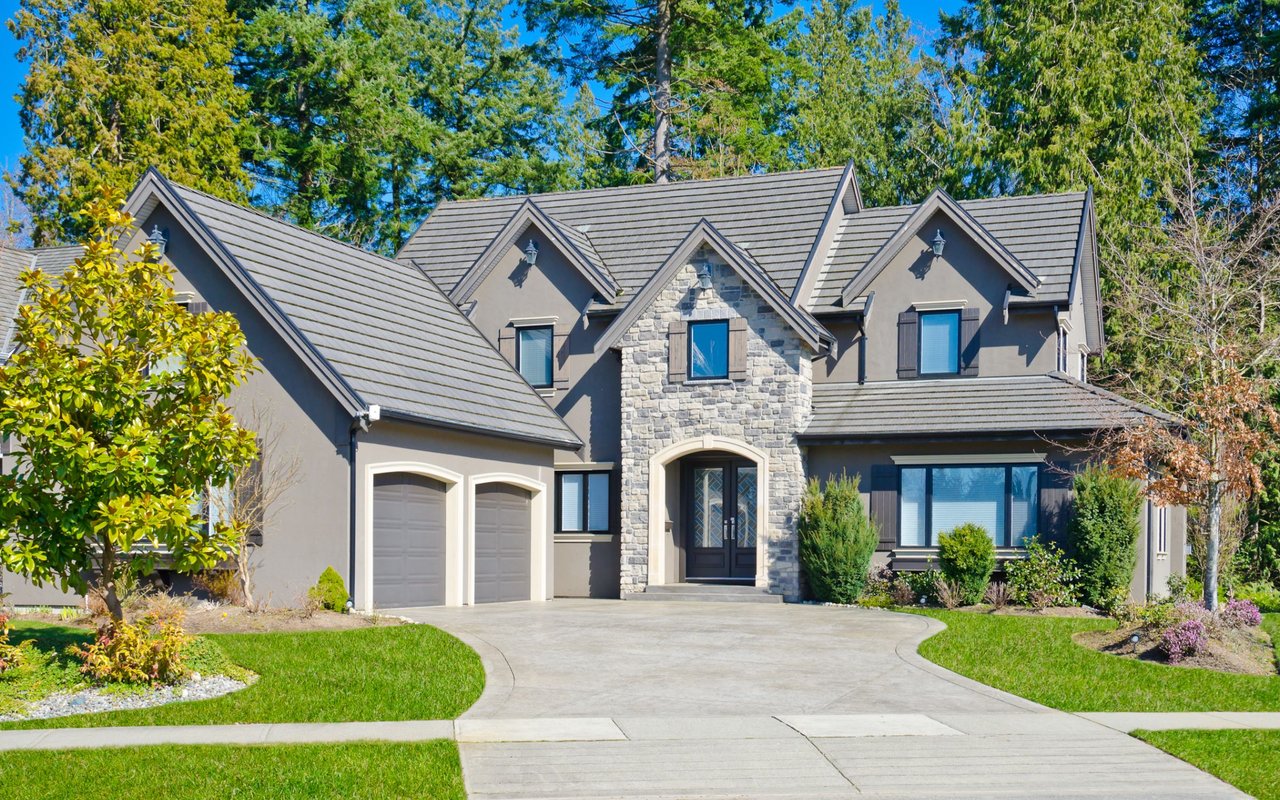
Newer communities in Roswell often follow a different model. Planning documents distinguish established neighborhoods from master-planned projects that may include pedestrian-oriented interiors, pocket parks, or plazas. These communities are usually designed around shared features and a more consistent neighborhood framework.
That does not mean all newer communities are the same. In fact, one of the biggest takeaways for buyers is how much variety exists within the newer-home category. Some neighborhoods center on amenities and managed common spaces, while others emphasize design, privacy, or larger homesites.
If Historic Roswell is centered on a street-level destination, newer communities often center on internal amenities. That may include trails, pools, clubhouses, courts, gathering spaces, or landscaped common areas. For many buyers, that setup creates a convenient and organized lifestyle.
Harlow is one example of this amenity-rich approach. It is a private community with multiple pools, tennis courts, a clubhouse, events, and professionally managed landscaping. Buyers who want a more structured neighborhood experience may find that appealing.
Aster shows a different side of the newer market. It is presented as a 24-home modern Scandinavian community with trails, a firepit, an activity lawn, nature trails, a pond, and Net Zero Energy construction. Some homes are also shown on one-acre homesites with three-car garages, which speaks to buyers who want newer construction with more breathing room.
The right fit usually comes down to how you want to live, not just what kind of house you want to buy. Here is a simple side-by-side view of the tradeoffs many buyers compare.
| Category | Historic Roswell | Newer Communities |
|---|---|---|
| Walkability | Strong access to Canton Street dining, shops, and events | More likely to rely on internal amenities and short drives |
| Home Style | Older, more distinctive architecture | Contemporary layouts and newer systems |
| Exterior Changes | Visible exterior work may require historic review | More often guided by HOA rules and community standards |
| Community Feel | Historic setting with established character | Planned setting with shared amenities or curated design |
| Maintenance Experience | More customized decision-making for updates | Often more predictable exterior expectations |
If your ideal weekend includes walking to dinner, browsing local shops, or enjoying the energy around Canton Street, Historic Roswell may be the stronger match. Its appeal is tied to a real street destination and a historic core that people actively use. That is different from a neighborhood where amenities are mostly private and internal.
If you prefer a lifestyle built around neighborhood features like a pool, clubhouse, or trails within your own community, a newer neighborhood may fit better. In that case, convenience comes more from what is inside the development than from what is a short walk down the street.
Historic Roswell tends to attract buyers who value individuality. The housing stock is older and more architecturally varied, which can create a sense of uniqueness from one property to the next. If you want a home with a story and a distinct exterior presence, this can be a major plus.
Newer communities usually appeal to buyers who want more current layouts and building features. Open living spaces, newer systems, and energy-focused construction can be part of that appeal. Aster’s Net Zero Energy positioning is a clear example of how some newer Roswell options lean into efficiency and modern design.
Maintenance is not just about age. It is also about how decisions get made.
In Historic Roswell, ownership may involve more customized renovation planning because visible exterior changes can trigger preservation review. That process helps protect historic character, but it also means you should expect more oversight than you would in a standard subdivision.
In newer communities, the tradeoff is often HOA governance. That can create more predictable exterior standards and managed common areas, but it does not mean no maintenance responsibilities. Instead, it usually means the rules and expectations are set within a planned community structure.
Historic Roswell is known for landmark properties with substantial grounds, including examples like Barrington Hall’s seven acres and Smith Plantation’s preserved farmstead setting. While those are notable historic properties rather than typical resale homes, they help illustrate the district’s connection to larger-scale historic landscapes.
Newer communities can also offer space, but usually within a planned framework. Aster, for example, shows that newer construction can include one-acre homesites while still being part of a curated community design. If lot size matters to you, it is worth looking beyond labels and comparing each neighborhood’s actual layout.
If you are deciding between Historic Roswell and a newer Roswell community, start with a few simple questions:
Your answers usually point clearly in one direction. Historic Roswell is often the better fit for buyers who want walkable historic context and architectural individuality. Newer communities usually work better for buyers who prioritize newer construction, shared amenities, and a more consistent community framework.
This is one of the most important neighborhood decisions you can make in Roswell because the two experiences are genuinely different. You are not just comparing house age. You are comparing rhythm of life, exterior control, community design, and the way you want your home to function over time.
That is why local guidance matters. A home that looks perfect online may feel very different once you understand district review, amenity structure, or how the neighborhood connects to the places you actually want to go.
If you want help narrowing down the right Roswell fit for your lifestyle, schedule a free consultation with Chrissy Granigan.
Stay up to date on the latest real estate trends.
We pride ourselves in providing personalized solutions that bring our clients closer to their dream properties and enhance their long-term wealth. Contact us today to discuss all your real estate needs!
The Granigan Group
8000 Avalon Blvd Alpharetta, GA 30009