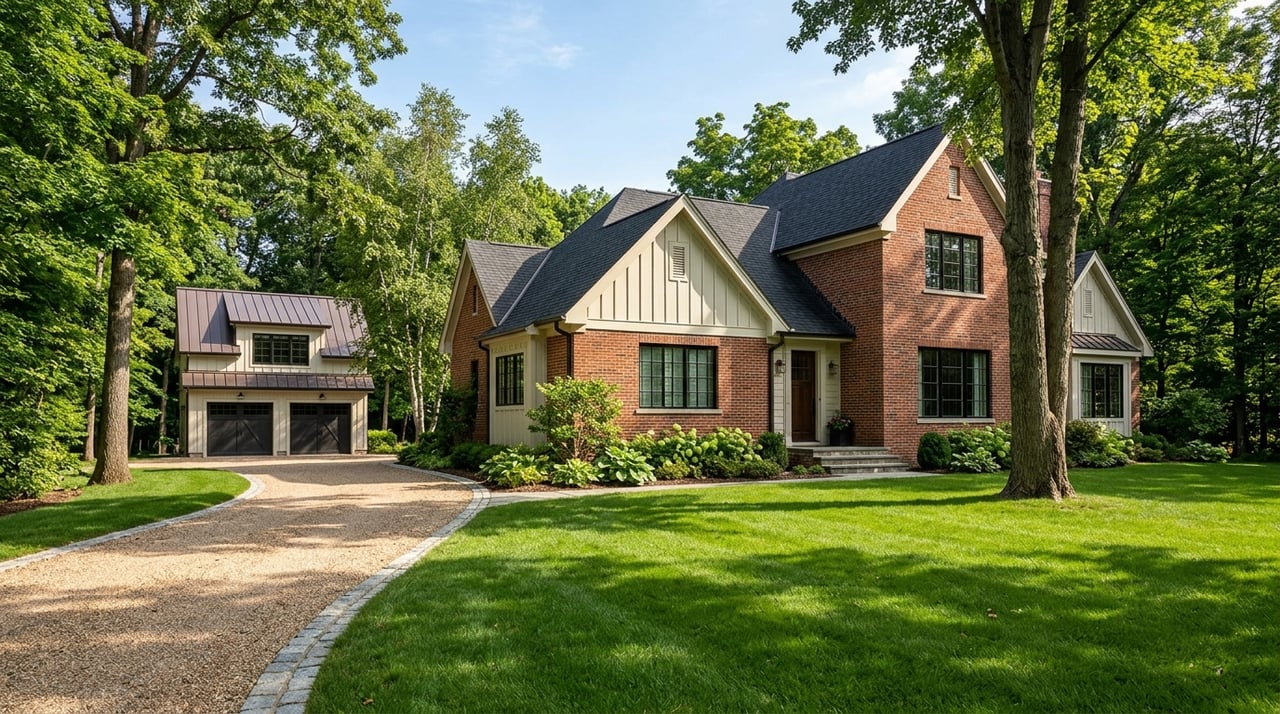
Milton Homes With Acreage and the Lifestyle to Match
July 9, 2026
July 9, 2026
If you’re searching for a home in North Fulton and keep thinking, I want more space, Milton likely belongs on your list. This city is known for larger parcels, a more rural feel, and a layout that gives many buyers room to spread out without feeling cut off from the rest of North Atlanta. If you want to understand what buying land in Milton really looks like, this guide will help you focus on the details that matter most. Let’s dive in.
Milton has intentionally preserved a more open land pattern than many nearby suburbs. According to the city, about 85% of its more than 39 square miles are agriculturally zoned, and residential lots in those areas must be at least one acre. That means Milton is not just a place where larger lots happen to exist. Its land use pattern is built to support them.
The city also describes itself as rural without being isolated. Planning policies such as Urban Growth Boundaries are designed to protect rural landscape and character while directing denser growth to areas like Crabapple and Deerfield/Highway 9. For you as a buyer, that creates a real difference in how Milton feels from more conventional subdivision-heavy communities.
A larger lot can open up possibilities, but it also brings more responsibility. In Milton, the lot is often just as important as the house sitting on it. If you are thinking about a pool, barn, workshop, detached garage, or simply more privacy, you need to look beyond the total acreage.
The key question is how much of that land is actually usable. A property may sound ideal on paper, but usable land can be affected by slopes, tree cover, easements, rights-of-way, soil conditions, and space needed for septic fields and replacement areas. In other words, one acre is not always one fully buildable acre.
This is one of the biggest points to understand when buying in Milton. Fulton County’s on-site sewage guidance notes that larger lots may be needed when homes are larger or when features like pools, tennis courts, outbuildings, slopes, trees, or soil conditions reduce the space available for septic systems. Some areas of a parcel also may not count toward lot-size calculations.
That means you should not rely on the listing’s acreage number alone. You want to know where the home sits, where any septic components are located, and how much open, functional area remains for your plans. If your goal is more room to live the way you want, this step is essential.
Milton buyers should pay close attention to utility setup. The city states that it does not provide water or wastewater service directly to residents. Instead, homeowners may receive service through Fulton County, and properties that do not pay for wastewater service are likely on septic.
Milton also notes that septic systems are generally used on lots of one acre and more. If the home you are considering is on septic, maintenance is the homeowner’s responsibility. That adds an extra layer of diligence during your home search and before you make an offer.
If septic is involved, timing matters. You want to ask about prior approvals, soil conditions, and whether there is adequate reserve area for future needs. These details can affect not just your current purchase decision, but also what you may be able to add or change later.
For buyers who want more land specifically to create a certain lifestyle, septic feasibility can shape the whole plan. A lot may look spacious, but the placement of septic fields can limit where future improvements can go. That is why early review is so important.
Many buyers looking in Milton want more than a house and yard. You may be hoping for a barn, shed, workshop, pool house, guesthouse, detached garage, or outdoor kitchen. Milton’s code broadly defines accessory structures to include all of those types of buildings, which is useful if your vision goes beyond the main residence.
That said, placement rules still matter. In residential districts, accessory structures may be located in side or rear yards, but not within the minimum yard. In the Rural Milton Overlay, they must be placed in the least visible location from the street and screened when needed.
A large lot does not automatically mean every structure can go wherever you want. The location of the house, driveway, septic area, topography, and visibility from the street can all affect what works. This is another reason the physical layout of the parcel matters just as much as the lot size.
If you know you want additional structures, it helps to evaluate the property with that end goal in mind from day one. That can save you from falling in love with a home that does not support your larger plan.
Milton’s rural character attracts buyers who want a property that may support horses or other animals. If that is part of your vision, the city’s code gives you specific standards to review before moving forward. These rules can directly affect whether a property fits your goals.
Outside agricultural zoning, Milton limits horses, mules, asses, cows, sheep, and goats to five per premises. The code also requires 150 square feet of enclosure area per animal and states that those animals must be kept at least 150 feet from occupied buildings other than the owner’s dwelling.
If animals are part of your plan, look closely at more than just acreage. You will want to consider pasture layout, fencing, barn placement, enclosure space, and the distance between animal areas and nearby occupied buildings. A property can be attractive and still not lay out well for your intended use.
This is where a careful property review becomes especially valuable. The right lot for horses or other animals needs enough room, but it also needs the right arrangement of that room.
When you are buying a larger parcel, access can be easy to overlook. In Milton, it deserves early attention. The city notes that subdivisions with minimum lot sizes of three acres or more may use modified shared or private-drive access designed to fire standards, which means driveway configuration may be part of the equation.
There is another important point here. Milton does not allow variances to minimum lot area or minimum district size. In practical terms, if a parcel is too small or too constrained for what you want to do, that issue usually cannot be fixed later through a variance.
Milton offers something many North Atlanta buyers want: the chance to have more land while staying connected to the broader metro area. The city identifies State Route 9 as a backbone corridor for its commercial area, and GDOT manages improvements on state routes within Milton. So you can enjoy a more rural day-to-day setting without feeling completely removed.
The tradeoff is that buying land here takes more homework. In Milton, the lot often tells the story. A smart purchase means understanding not just the home itself, but also septic feasibility, usable acreage, accessory building options, animal rules, and access details.
If you are serious about buying in Milton when you want more land, keep this checklist in mind:
Buying land in Milton can be a great fit if you want room to spread out and a property that supports a more customized lifestyle. The key is knowing how to evaluate the lot with the same care you give the house. If you want thoughtful guidance as you compare homes, acreage, and layout options in Milton, Chrissy Granigan can help you make a confident move.
Stay up to date on the latest real estate trends.

We pride ourselves in providing personalized solutions that bring our clients closer to their dream properties and enhance their long-term wealth. Contact us today to discuss all your real estate needs!
The Granigan Group
8000 Avalon Blvd Alpharetta, GA 30009